It is one of the most modern bullrings on the Iberian Peninsula. Its privileged location and the comfort of its seating make watching bullfighting in San Sebastián more than just a spectacle — it is a delight for the senses. These are its origins and this is its story. Discover it.
San Sebastián is one of the cities with the deepest bullfighting tradition on the Iberian Peninsula. Even though a 25-year absence without a bullring left several generations of fans without their reference point — and others grew up without that iconic bullfighting presence by the mouth of the River Urumea and the sands of La Concha — the passion for bullfighting has always remained alive in Gipuzkoa and in San Sebastián.
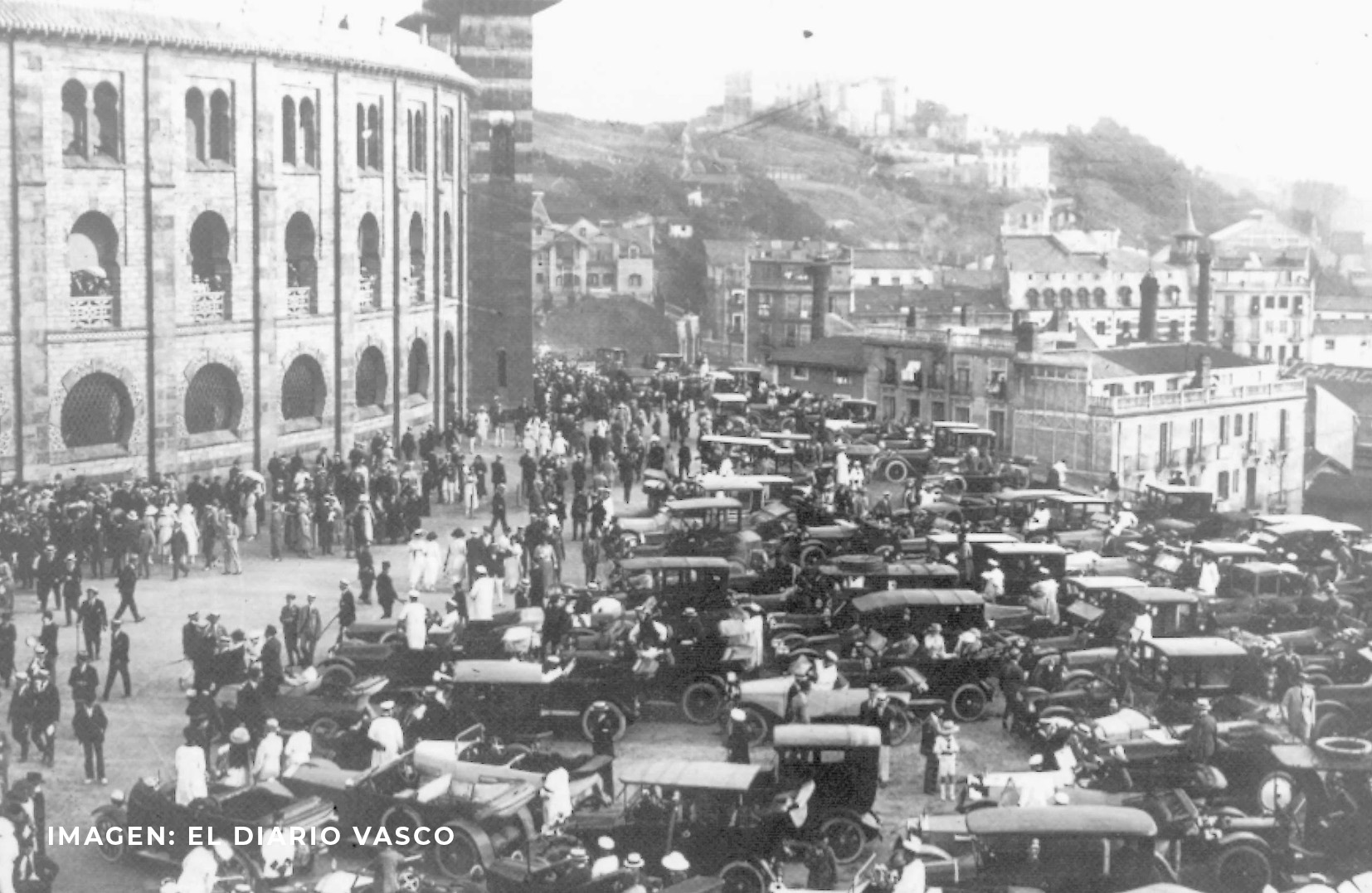
Local fans, together with visitors from south-west France and those who spent their summers between Mount Igueldo and Mount Urgull, formed a demanding and knowledgeable audience. These were the defining traits of those who filled the stands of the old El Chofre, the most emblematic bullring the city ever had and the predecessor of today’s Illumbe.
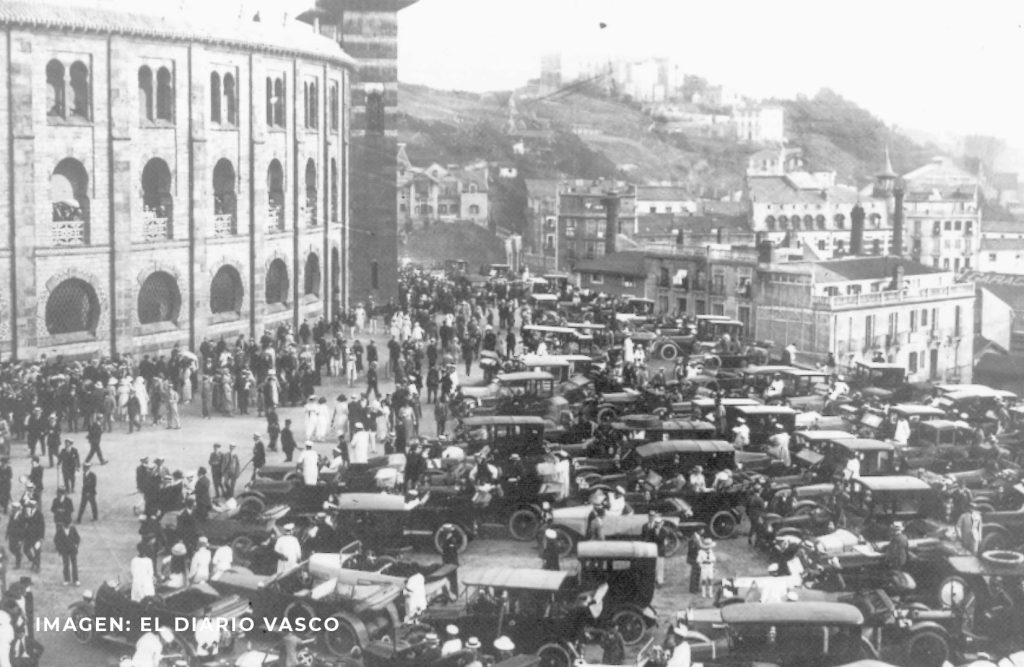
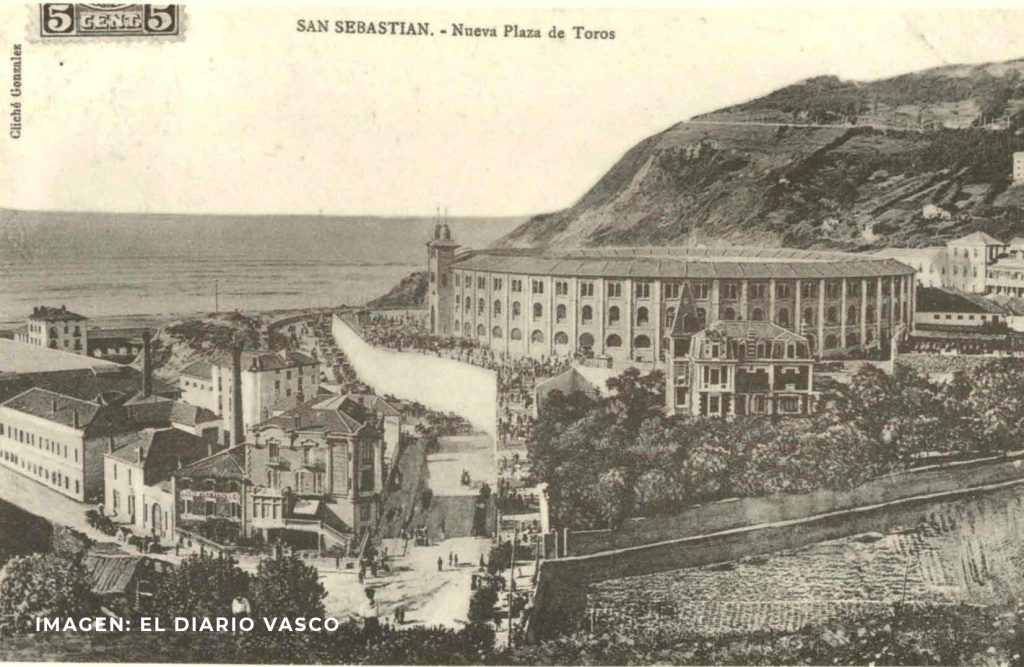
El Chofre was inaugurated on 9 August 1903, a landmark year for bullfighting in the region, as the bullrings of Azpeitia and Tolosa also opened that same year. Located on a small hill at the foot of Zurriola Beach, in the Gros district, fans would climb the stairways leading to its main gate to watch the greatest matadors of the time. San Sebastián’s Semana Grande festival has always attracted the very best in bullfighting.
During its 70 years of existence, generations of fans in Gipuzkoa enjoyed countless leading figures, headed by Luis Mazzantini, the bullfighter from nearby Elgoibar, renowned for his skill with the sword and who later pursued a political career. Mazzantini himself inaugurated the bullring — with a capacity of 15,000 spectators — alongside Emilio Torres “Bombita”, Antonio Montes and Lagartijo Chico, fighting bulls from the Ibarra ranch. It was a truly outstanding opening line-up featuring the top names of the era.
Manolete and Antonio Ordóñez were perhaps the most admired matadors in this arena, which also witnessed Mexican bulls being fought for the first time in Spain. In 1929, four bulls from the Piedras Negras ranch were fought in a breeding challenge alongside four from Clairac. Marcial Lalanda, Gitanillo de Triana, Manolo Bienvenida and the Mexican matador Heriberto García took part in that historic event.
Many of the most influential figures of the time occupied seats at El Chofre at one point or another. Ernest Hemingway and Orson Welles attended to watch Ordóñez, Pablo Picasso came to see Luis Miguel, and Charlton Heston watched Paco Camino, among others. Ultimately, urban development speculation brought an end to the bullring, which hosted its final bullfight on 2 September 1973.
Semana Grande San Sebastián - History
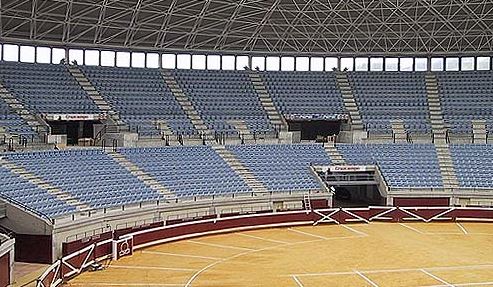
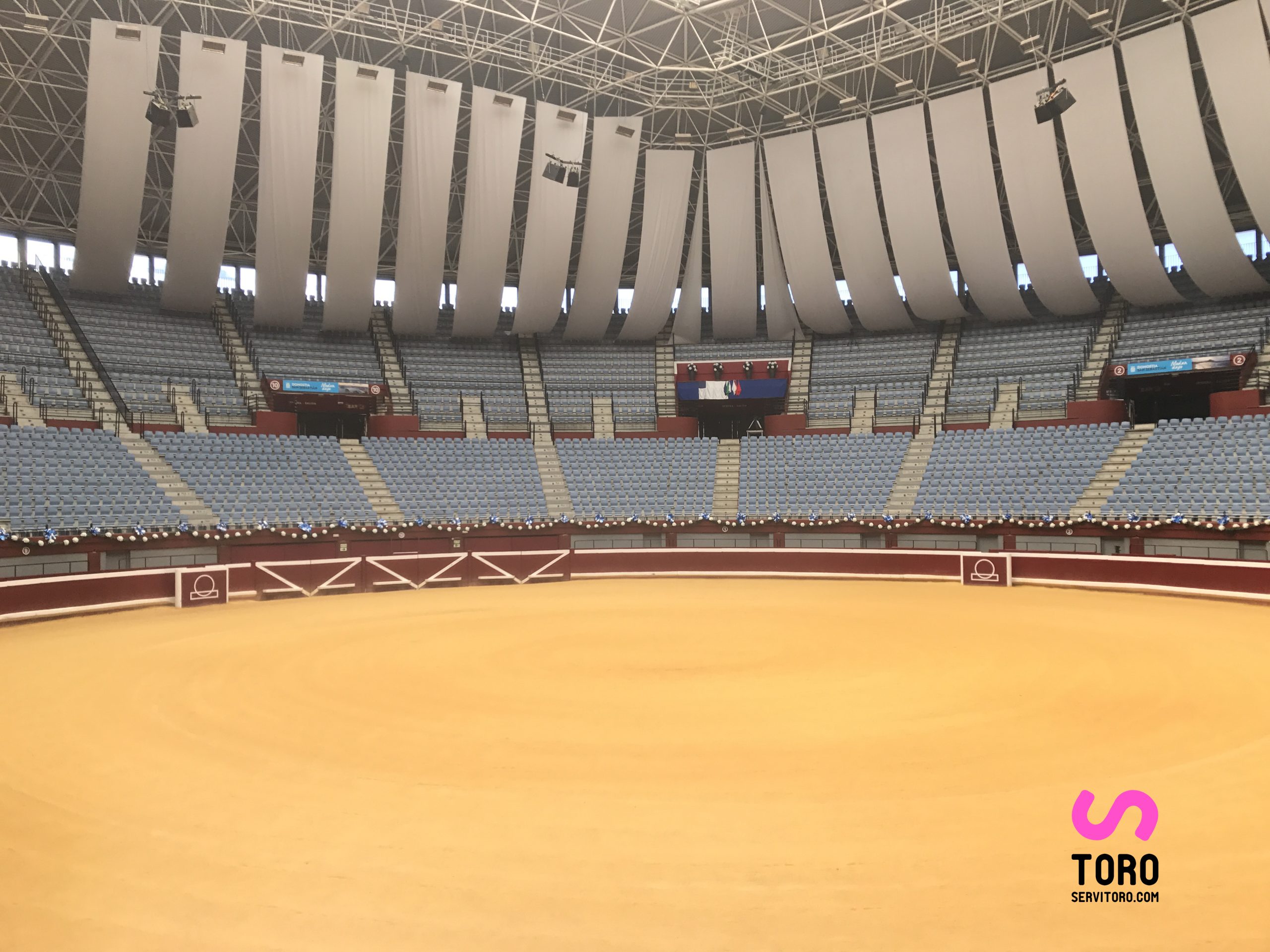
Twenty-five years later, and thanks to the initiative of local businessman Manolo Chopera, a new bullring was built in the Illumbe area. Modern and functional, it was equipped with state-of-the-art facilities, its main attraction being a retractable roof that covers both the ring and the stands, allowing it to host all kinds of events.
Since 11 August 1998 — when, even before the roof was completed the following year, José María Manzanares (senior), Enrique Ponce and Francisco Rivera Ordóñez made the first paseo to fight bulls from the Torrestrella ranch — this arena, with a capacity of nearly 11,000 spectators, has been the epicentre of one of the most important bullfighting festivals on Spain’s northern coast. As in the past, the discerning audience that fills its stands proudly celebrates and enjoys the art of bullfighting.
Official ticket office for bullfighting tickets. Secure the best seats by purchasing your tickets in advance. Show schedule, prices, and locations now available at Servitoro.