Euskadi has a bullfighting tradition that is far older and richer than many people realise. In this article, we highlight the most important matadors and the key achievements of bullfighters born in this region.
Although it may surprise some and be unknown to many others, the Basque Country has a deeply rooted bullfighting tradition. Despite modern times attempting to bury this heritage, beyond towns with a strong historical connection to the art — such as Trucios, Azpeitia, Deba or Zestoa — Euskadi has also been the birthplace of some outstanding matadors.
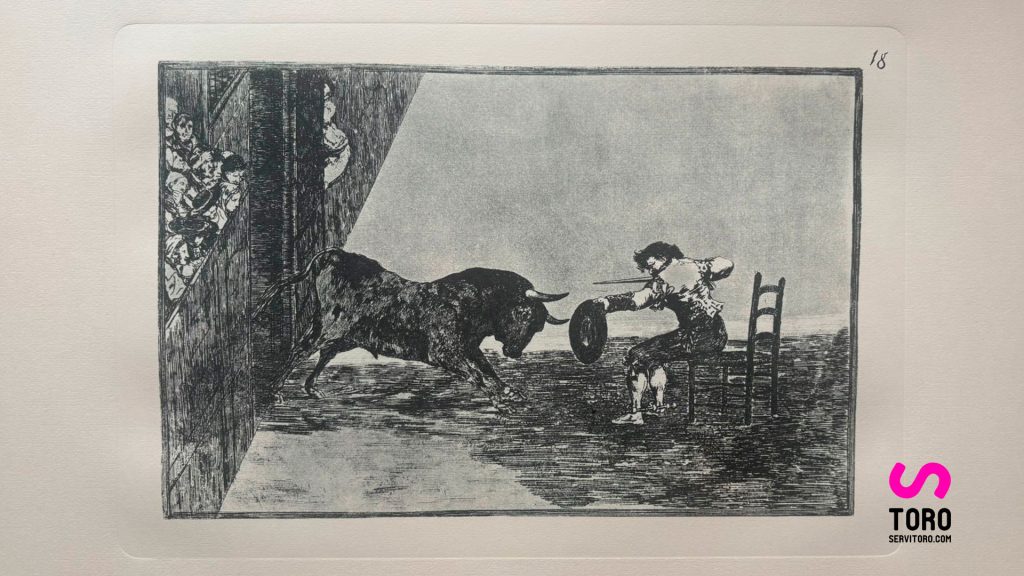
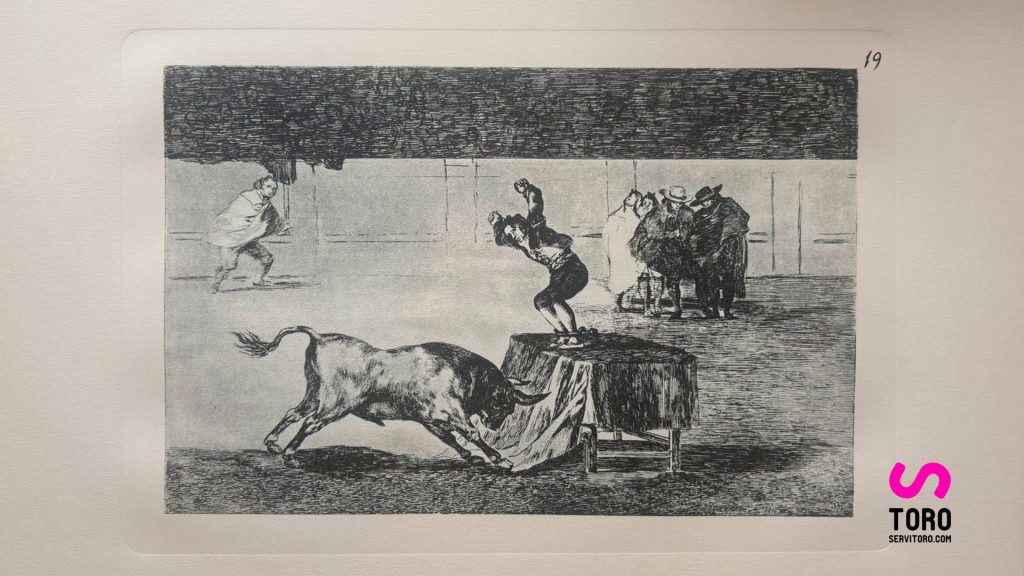
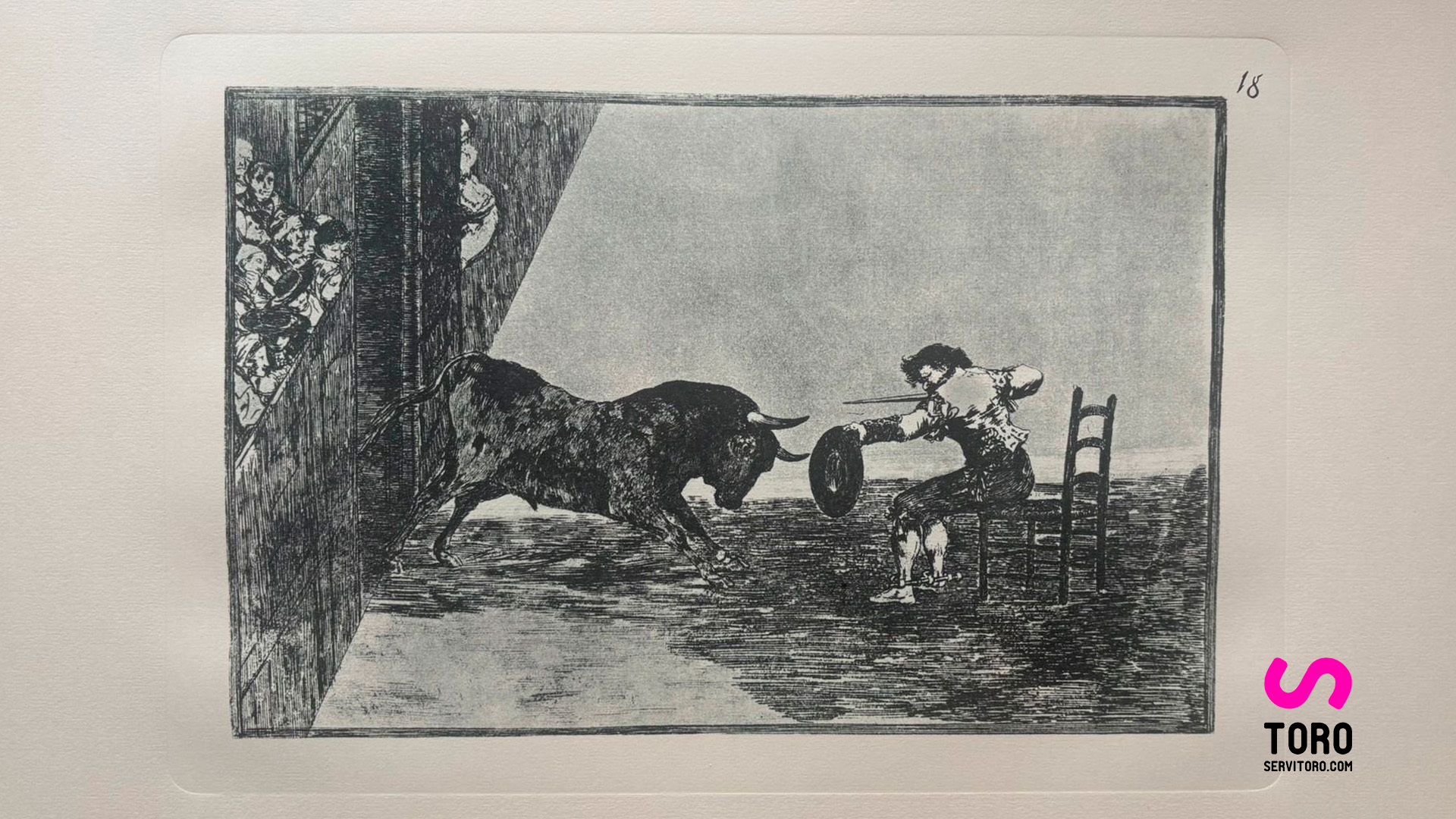
One of the earliest figures to gain recognition was Martín Barcáiztegui, the famous Martintxo, born in Oiartzun and immortalised by Goya in his celebrated Tauromaquia series. However, the renowned philosopher José Ortega y Gasset cited Zaracondegui as an example of the first matador to work with a structured team (cuadrilla) similar to the modern format.
Image: Servitoro – The famous Martintxo, his feet held in strong shackles, stands atop a table summoning the bull. Goya.
In any case, both examples demonstrate that bull-related games and skills — many of them performed without weapons — had already taken root in the Basque territories. There were other lesser-known precursor figures, but the first Basque matador to achieve true prominence was Luis Mazzantini. Born in Elgoibar (Gipuzkoa) in October 1856, he took his alternativa in Seville in 1884, sponsored by “Frascuelo”. He stood out as a masterful swordsman and, after retiring from the ring, went on to serve as a Madrid city councillor and as Civil Governor of Guadalajara and Ávila.
In the Begoña district of Bilbao, on Cristo Street, Cocherito de Bilbao (Cástor Jaureguibeitia Ibarra) was born in 1876. He received his alternativa in Madrid’s old bullring in 1904, with Antonio Fuentes as sponsor and Bombita and Machaquito as witnesses. Hugely popular in his time, he fought more than 400 bullfights. Since 1910, a bullfighting club bearing his name has existed in his hometown — one of the oldest in the world. He died in 1928.
Another Basque matador to take his alternativa in Madrid’s former Carretera de Aragón bullring was Diego Mazquiarán Fortuna, born in Sestao in 1895. Rafael Gómez “El Gallo” acted as his sponsor, with Alfonso Cela “Celita” as witness, in a ceremony held in 1916. A very complete bullfighter, though his career was brief, he stood out — like many of his Basque peers — as an exceptional swordsman. He was awarded the Cross of Beneficence after killing a bull that had escaped while being transported to the slaughterhouse and ran loose along Madrid’s Gran Vía. He was also the matador who inaugurated the Las Ventas bullring. He retired in 1934 and died in 1940.
Another remarkable matador, considered one of the greatest in history, was Martín Agüero, born in Bilbao in 1902. He took his alternativa in Málaga in 1924, sponsored by Chicuelo and witnessed by Luis Fuentes Bejarano. The years 1926 and 1927 marked the peak of his career, noted for his authority and courage. He retired in 1932, physically diminished after suffering severe injuries, and later served as an adviser at the Vista Alegre bullring in Bilbao. He passed away in 1977.
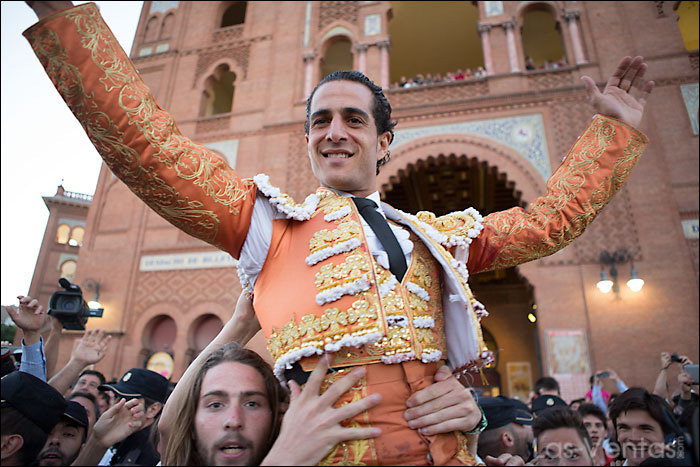
Image: Las Ventas – Iván Fandiño leaving through the Puerta Grande of Las Ventas.
The most recent — and arguably the greatest — of the top five Basque matadors was Iván Fandiño, born in Orduña in 1980. He took his alternativa in Bilbao in 2005. A bullfighter of immense pride and authenticity, everything he achieved was rooted in honesty and courage. An idol at Las Ventas, he cut 13 ears in 31 appearances at the Madrid bullring, including a triumphant shoulder-borne exit on 13 May 2014. He was also hugely popular in arenas such as Pamplona, Valencia and the French bullrings of Bayonne, Dax and Mont-de-Marsan, as well as in Bilbao, where he delivered some of the finest performances of his brilliant career. He died as a result of a goring on 17 June 2017 in Aire-sur-l’Adour.
Other bullfighters who, without reaching this level, also enjoyed moments of success include Chiquito de Begoña (born 1880), Pedrucho de Éibar (1893), José María Recondo (1931), Manolo and Rafael Chacarte (1932 and 1941), and El Vitoriano (1980). Though his career was brief, he is notable as the only matador born in the capital of Álava. All of them were honest professionals who proudly embraced their vocation among their fellow countrymen — without complexes and with pride. Basque and bullfighter.
Official box office for bullfighting tickets. Secure the best seat by buying your tickets in advance. Show schedule, prices, and seating information are now available at Servitoro.