San Sebastián: Festivals, History and Endless Culture
San Sebastián: Festivals, History and Endless Culture
Donostia lives between tradition and modernity—a city where pagan giants and global stars share an endless cultural calendar.
San Sebastián is a city where pagan giants and global stars coexist. It is a place where tradition and modern life blend naturally, shaping a cultural agenda that seems never-ending. In Donostia, every season brings its own celebrations, rhythms and atmosphere.
A festive spirit runs deep in Basque culture. The scale or origin of the event matters little: from major summer celebrations to smaller, more intimate gatherings rooted in centuries-old traditions. All find their place in a city that embraces each date in its calendar with intensity.
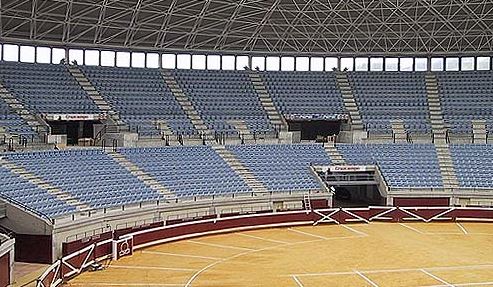
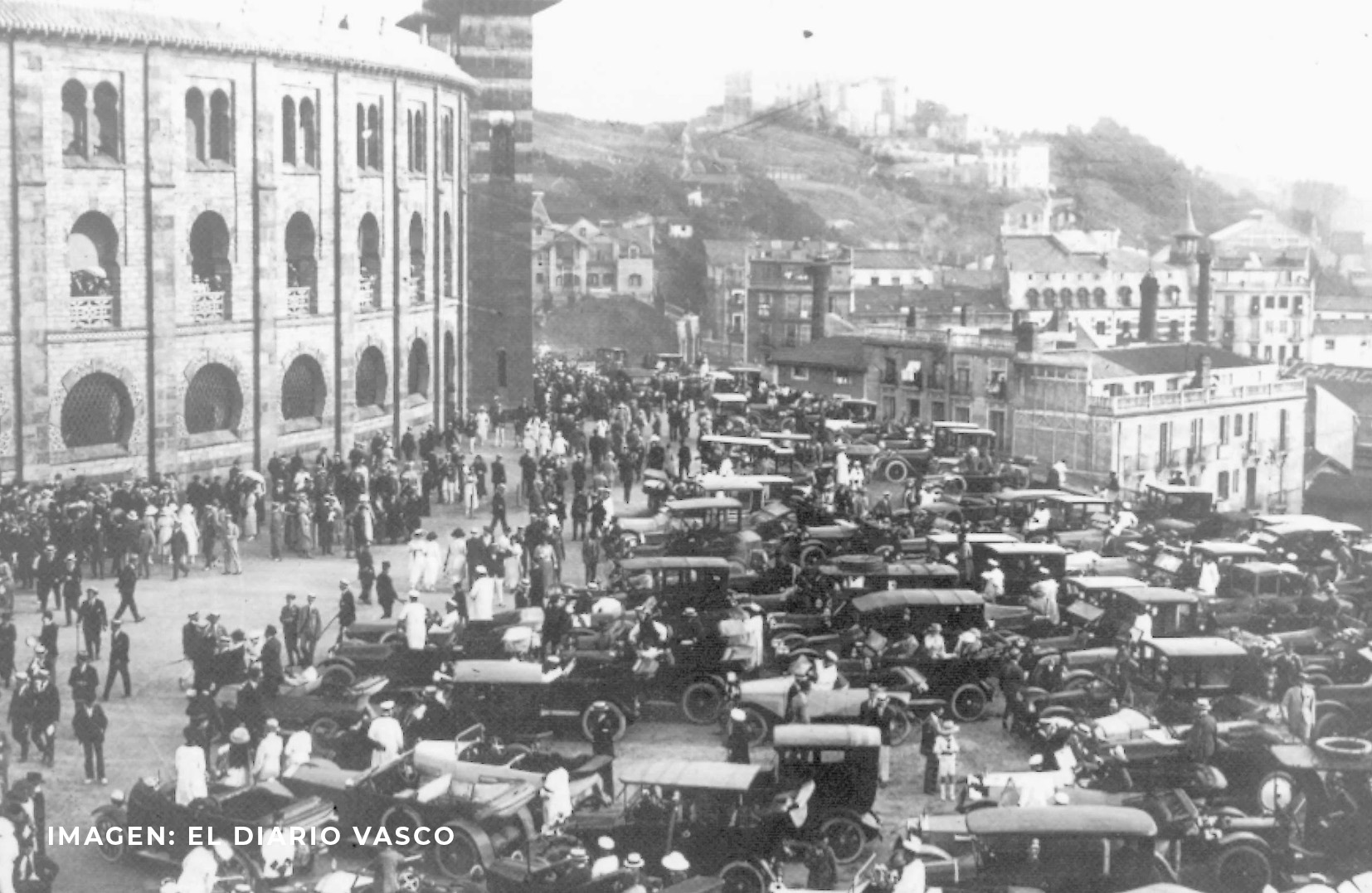
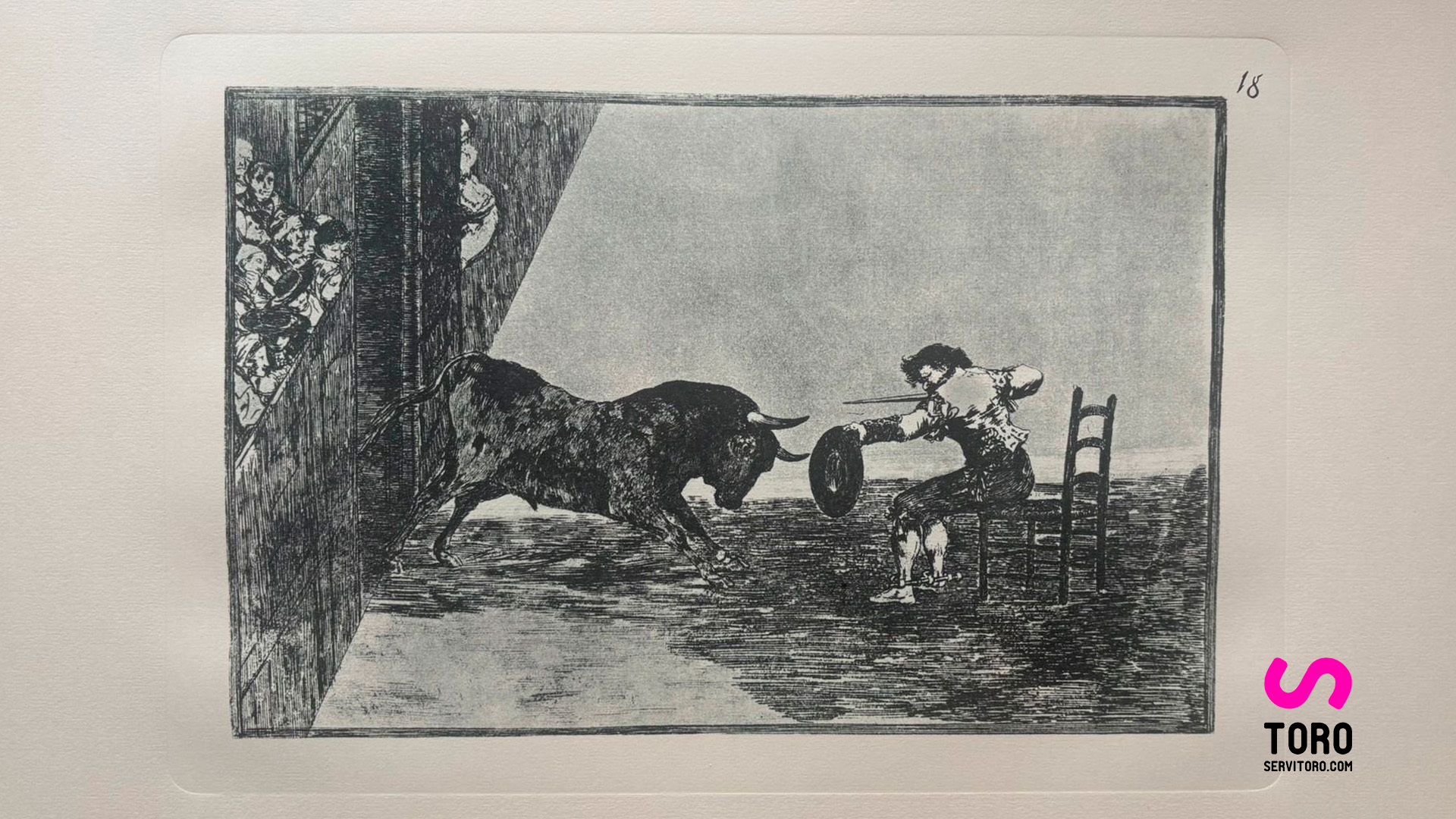
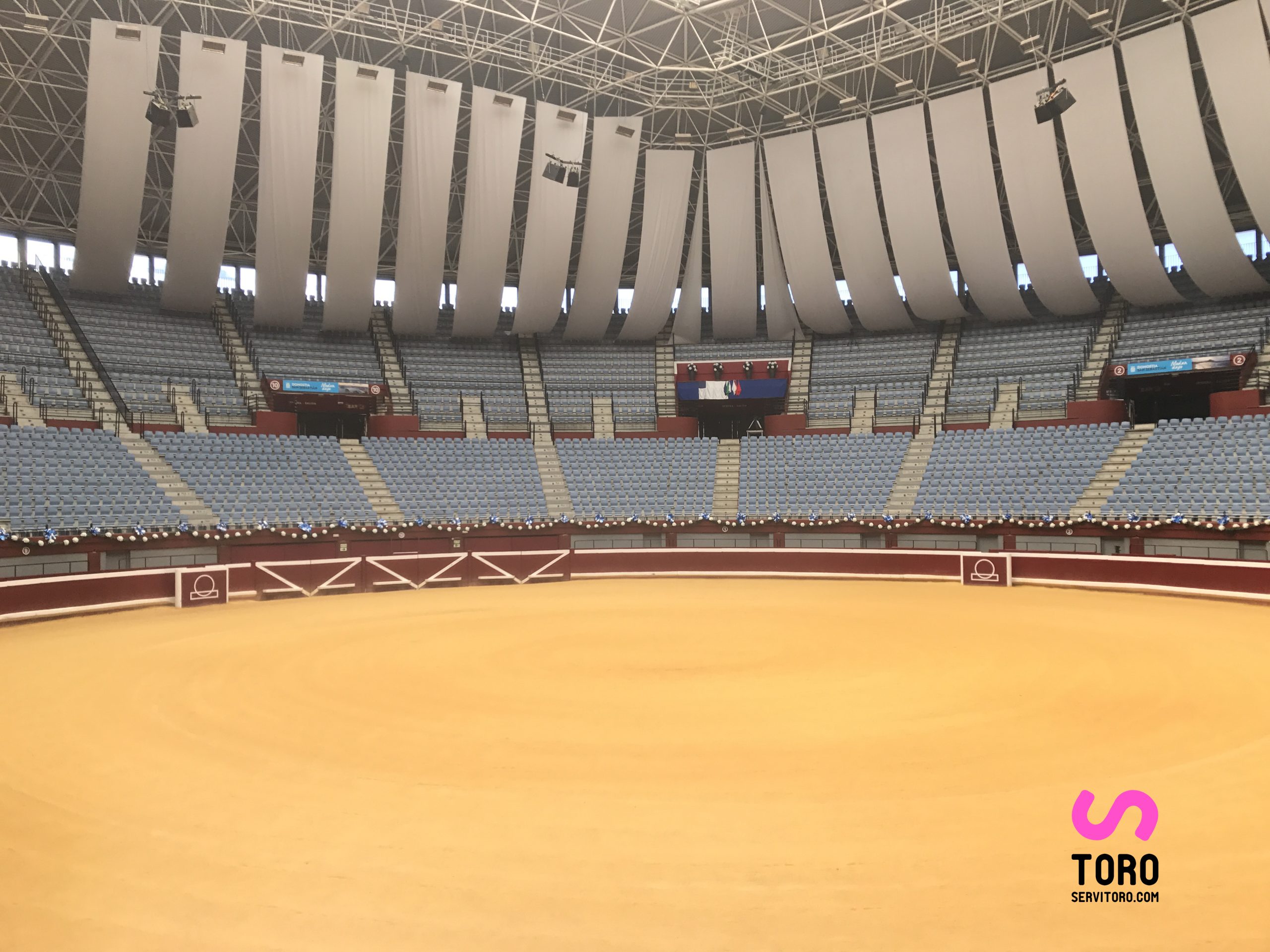
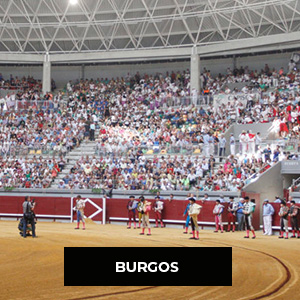
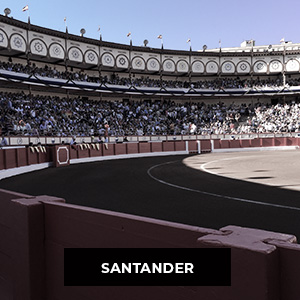
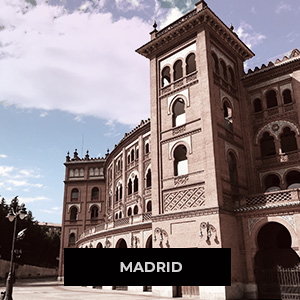
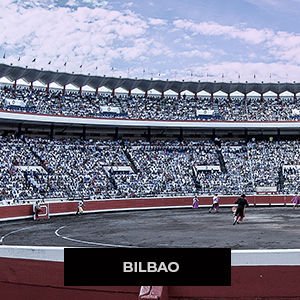
It is in August when San Sebastián truly transforms. The city sets aside its elegant and cosmopolitan image to fully immerse itself in Aste Nagusia, or Semana Grande. During these days, the bay is lit up by fireworks, the streets come alive with music and open-air festivities, and the bullfighting fair becomes one of the central highlights, drawing both enthusiasts and visitors.
Yet Donostia cannot be understood without its connection to the sea. Every summer, the traditional rowing regattas in La Concha Bay transform both the city and its iconic coastline. Thousands gather to witness a competition where tradition and effort are measured stroke by stroke, making it one of the most emblematic sporting events in northern Spain.
Beyond folklore, San Sebastián maintains a vibrant cultural life throughout the year. Donostia stands as a key reference in the musical scene, hosting events such as the Musical Fortnight and renowned jazz festivals, alongside major concerts that fill the city with energy. Adding to this is the prestigious San Sebastián International Film Festival, which places the city at the heart of the global film industry.
To truly understand San Sebastián, however, one must look to its past. Just two centuries ago, the city was far from what we see today. Around Mount Igueldo lay a vast sandstone quarry, a vital resource that would later shape the urban landscape. By the mid-19th century, workers began extracting the stone that would form the foundations of its most iconic buildings.
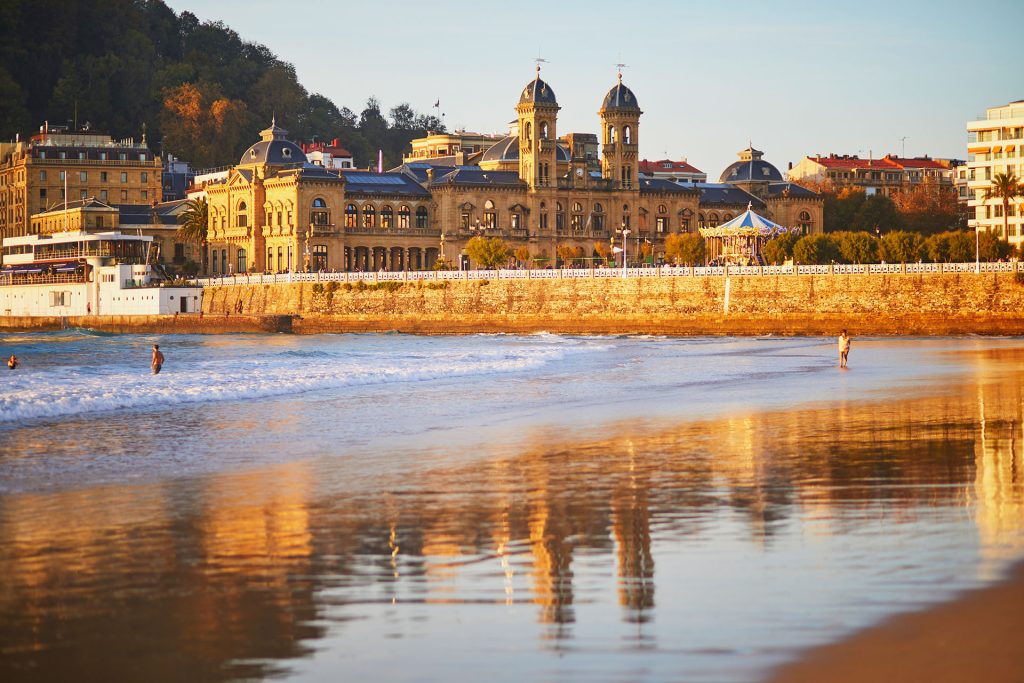
From that quarry came the Victoria Eugenia Theatre, the current City Hall, the Hotel María Cristina and much of the city’s expansion area, along with the elegant buildings along the River Urumea. This period of development marked the beginning of a transformation that would redefine Donostia’s future.
Image: Reina Cristina Hotel
Before this expansion, San Sebastián was little more than a small fishing settlement at the foot of Mount Urgull. Everything changed in 1887, when Queen María Cristina chose the city as her summer residence, arriving with her newborn son, Alfonso XIII. Her presence boosted the local economy, attracted aristocracy and placed San Sebastián firmly on the European map.
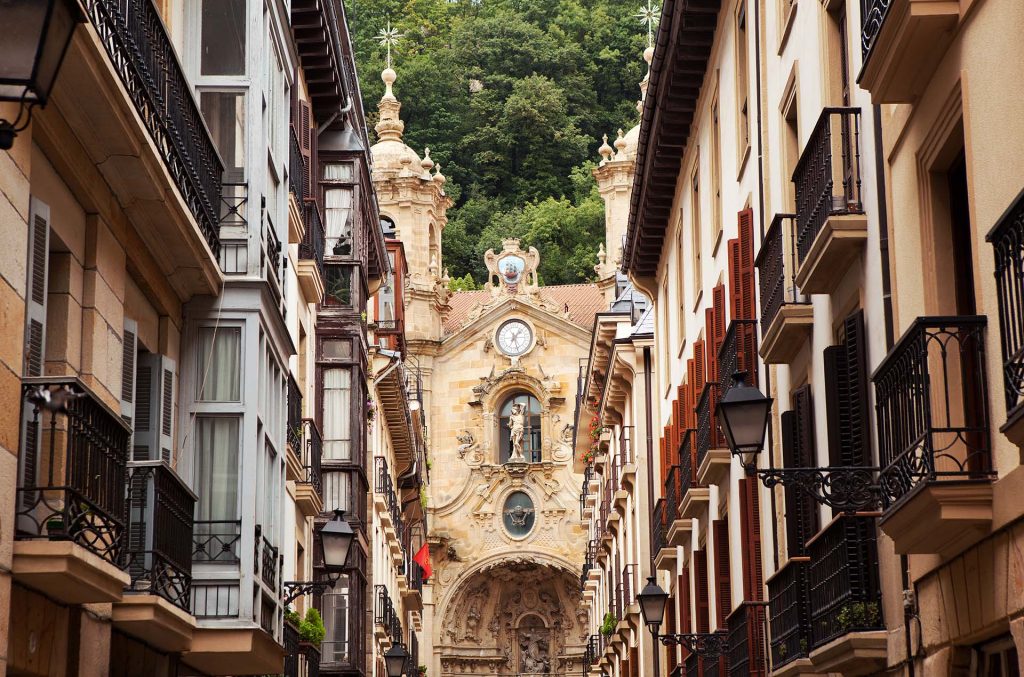
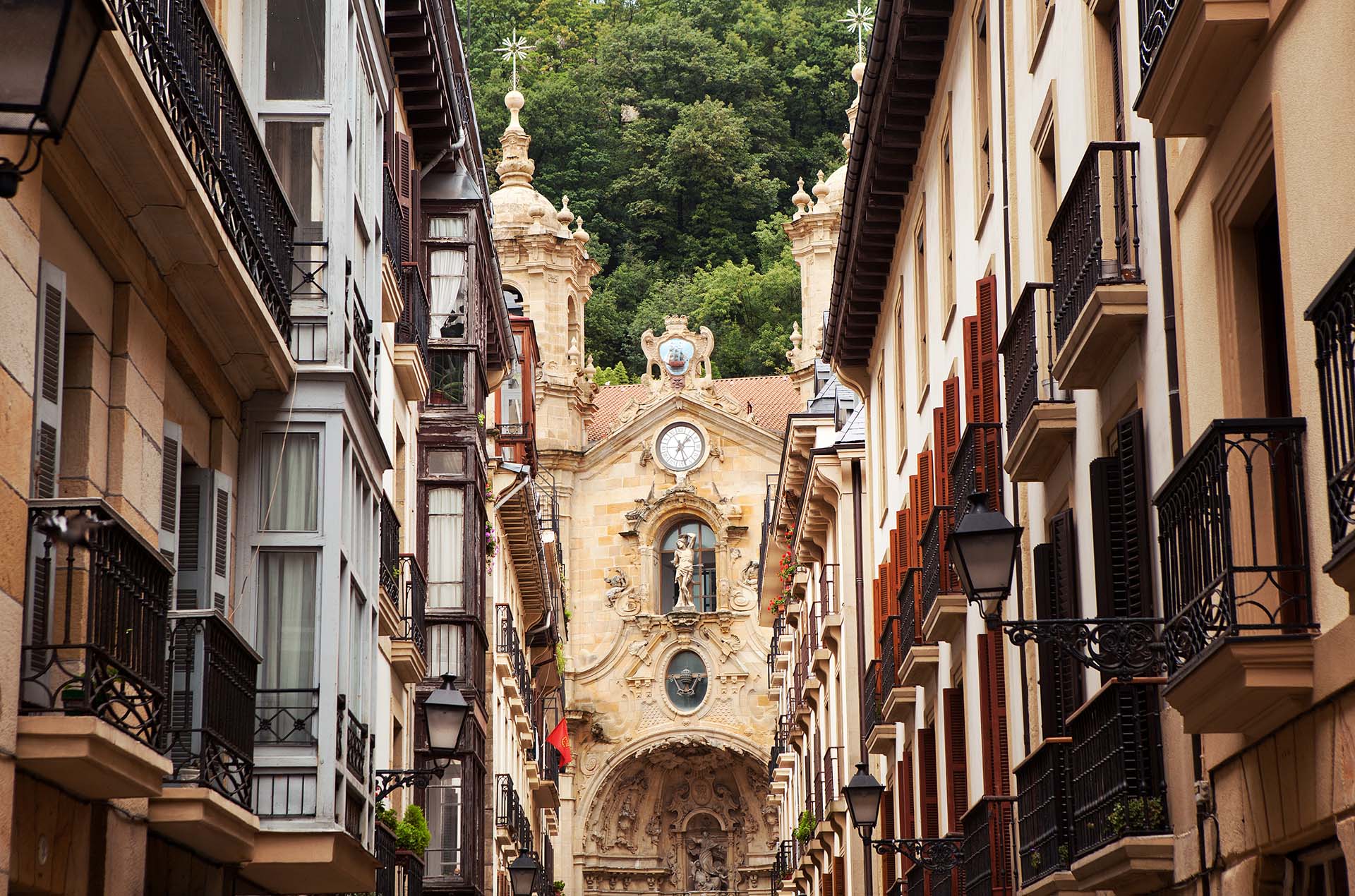
That legacy remains visible today. The Plaza de la Constitución, once used as a bullring as indicated by the numbered balconies that marked the former boxes continues to serve as the city’s central gathering place. It hosts key events such as the traditional flag-raising ceremony on 20 January, San Sebastián’s most important day.
Donostia still retains its distinctive French-inspired charm, a kind of Atlantic reflection somewhere between Paris and Biarritz. Elegant, open to the sea and deeply cultural, the city has evolved without losing sight of its roots. A unique combination that makes it one of the most complete and attractive destinations in Europe.
Official bullfighting ticket office. Make sure you get the best seat by buying your tickets in advance. The performance schedule, prices and seat availability are now available on Servitoro.